
 Siobhan.GEditor
A love of gardening is a useful starting point for a career, but professional horticulture asks more of a worker than enthusiasm. A paid gardener must identify plants, assess conditions, protect customers' property, use equipment responsibly and explain what work can realistically be completed. A nursery grower faces deadlines dictated by living stock rather than simply the diary. A landscaper must understand materials, levels, access and safe site preparation. These are skilled occupations with different duties, not one informal activity that anybody can perform without training.
The Royal Horticultural Society describes apprenticeships for horticulture and arboriculture, while its gardener careers guidance explains how qualifications and experience support professional work. Such programmes provide routes into the sector; they do not guarantee an individual a position or a particular salary. The relevant choice depends on interests, practical ability, local opportunities and the work that employers need done.
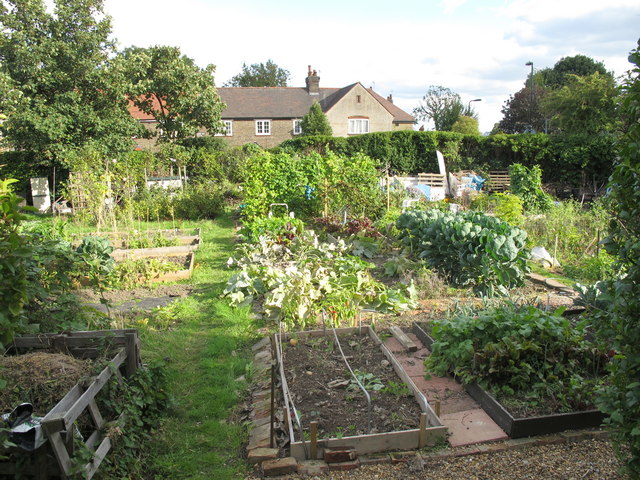
Gardening as a pastime and gardening as paid work
At home, someone can leave a difficult task until the next sunny weekend. A professional needs to plan around customer access, contractual scope, staffing and unpredictable weather. The work also includes preparing quotations, transporting equipment, responding to enquiries, maintaining records and understanding what happens after installation. A competent gardener sometimes needs to tell a customer that a requested task should be postponed or referred to a specialist.
For example, saturated soil may be damaged by heavy machinery. An incorrectly timed pruning job can harm certain plants, while hedge cutting and tree work may introduce safety and legal considerations. A customer who asks for a drastic change deserves a sound explanation rather than an automatic yes. This is where plant knowledge and professional judgement become part of the service being sold.
Workload should also be assessed realistically. Travelling between properties, lifting bags, using machinery and working outdoors can be physically demanding. Not all horticultural roles are equally physical; some focus on propagation, planning, horticultural education, advice or retail. People considering a career change should explore these different environments before investing heavily in tools or transport.
What apprenticeship pathways offer in Britain
The RHS provides Level 2 and Level 3 apprenticeship opportunities at its gardens. According to its apprenticeship factsheet, Level 2 may suit people starting without formal horticultural qualifications, while Level 3 generally requires earlier training or practical experience. The precise entry requirements, recruitment windows and placements must be checked against the current advertised scheme. This is one provider's structure, not a rule that applies identically to every workplace.
Practical supervised work gives learners a chance to connect plant theory with real conditions. A trainee may learn how to prepare soil, monitor establishment, identify pests, manage watering and care for tools. Different plants and sites require different techniques. An apprentice also learns how to work safely with others and how to recognise tasks that exceed their training.
Formal education can be complemented by volunteering or observing an experienced team, provided the arrangement is appropriate and lawful. Applicants should ask what they will actually learn, how supervision works and which qualifications or experience the employer recognises. A glossy course prospectus cannot substitute for a clear account of the practical work and assessment involved.
Nurseries, maintenance teams and landscapers need different skills
Nursery work includes growing plants before they reach the customer. Tasks may involve propagation, potting, watering, pest monitoring, labelling, inventory and dispatch. Errors can affect entire batches, so consistency matters. A nursery employee may work closely with production schedules and controlled environments rather than spend most days visiting private gardens.
Maintenance gardening is often built around recurring customers and seasonal tasks. The gardener needs plant identification, safe equipment use, clear communication and realistic scheduling. A customer may want a low-maintenance border or help preserving established shrubs. Success is not measured merely by how much vegetation can be removed during a visit.
Landscape installation combines horticulture with practical construction. Work can include bed preparation, paths, planting and site access. Excavation, heavy materials, underground services and drainage need care and sometimes specialist input. A person competent at routine garden maintenance is not thereby qualified to design a retaining structure or resolve serious building drainage problems. Clear trade boundaries protect both workers and clients.
Why Britain's seasons change the working week
Cool weather does not eliminate horticultural activity for six months, but it changes which tasks are sensible. Spring establishment, summer watering, autumn planting and suitable winter care all have their place. Local climate, soil and plant species affect the actual timetable. A professional schedule must be flexible enough to protect living plants and workers without becoming commercially chaotic.
In wet conditions, some operations may cause soil compaction or surface damage. In summer, young planting may need extra attention. Certain tasks can be prepared or carried out in winter, but indiscriminate pruning and machinery work are poor substitutes for proper planning. Businesses should tell customers which activities are weather-dependent and what happens if a visit is postponed.
Seasonality affects financial resilience. High spring demand can create confidence that does not survive quieter months. A self-employed worker should estimate paid working days, travel, cancelled visits, equipment costs, insurance and administrative time. A recurring maintenance arrangement can help planning only if scope, frequency and weather provisions are clearly agreed. Selling unlimited tasks for a flat price can turn popularity into unprofitable work.
Choosing the right professional route
A sensible comparison asks about skills, responsibilities and the way work is organised rather than assuming one occupation pays more. Published salary examples can be incomplete, dated or affected by geography and experience. The following table compares job characteristics that an applicant can verify with potential employers.
| Question | Garden maintenance | Nursery production | Landscaping |
|---|---|---|---|
| Typical output | Established gardens cared for over time | Plants propagated, grown and supplied | Outdoor spaces and planting installed |
| Core skills | Plant care, machinery safety and customer relations | Growing methods, pest monitoring and consistent handling | Site preparation, construction and planting knowledge |
| Main uncertainty | Weather and repeat service demands | Crop timing, plant losses and stock demand | Materials, site conditions and project dependencies |
| First learning step | Supervised horticultural work and suitable training | Visit a growing operation and explore trainee roles | Learn from a competent contractor with clear safety processes |
| Question to ask an employer | Who checks plant-care decisions? | How is plant health and traceability managed? | Which technical tasks need specialist competence? |
The RHS apprenticeship information offers a real route for some entrants; the comparison is an editorial framework to help applicants evaluate alternative workplaces.
Why horticultural business skills are essential
Many small businesses make a pricing mistake by counting only hours spent working on site. A quote also needs to account for travel, tool maintenance, materials, loading, waste, administration and the risk of returning to correct an avoidable problem. Clear scope matters as much as technical ability. One-off clearance, recurring lawn care and a complete garden redesign should not be presented as equivalent services.
Record what was agreed, including work excluded from the price. Where plants are supplied, document species, sizes, installation conditions and establishment responsibilities. Photographs can help explain completed work, but private property owners should give permission before images are used in marketing. A portfolio must reflect genuine work rather than stock images presented as completed projects.
Software can support appointments, quotations and repeat maintenance records. An expensive automated system is not necessarily the best solution; a simple, reliable process may offer more value. Staff should understand which information is correct, who changes it and how customers can raise issues. A business that cannot track the true cost of its jobs should fix that before making claims about savings from AI.
What career progression can look like
A beginner may start with supervised practical work and develop a specialism in planting, nursery production, maintenance, design support or another area. Later responsibilities might include training new workers, supervising projects, managing stock or running a business. Progression is not always a move away from hands-on work. Highly knowledgeable gardeners can continue to provide specialist practical services throughout their careers.
Continuing development matters as horticultural practice changes. Workers may need to understand new pests, shifts in climate, more resilient planting and expectations around biodiversity and water management. Advice should be updated from appropriate sources rather than repeated because it has always been done that way. Good employers make time for learning and reward accuracy and safety rather than sheer speed.
Can skilled gardening support the wider UK economy?
The RHS's broad economic research places environmental horticulture within a significant network of production, services and tourism. That does not mean every local gardener is guaranteed to find enough paying customers. National economic activity and individual business profits are different measures. Growth depends on viable demand, competent training, investment and the ability to retain workers.
Well-maintained parks, community spaces, private gardens and commercial landscapes require people who understand living plants and ongoing maintenance. New planting is only the beginning of the process; without suitable care, investment can be lost. Skilled workers help preserve that value and make outdoor spaces accessible and enjoyable. In an ageing society, gardening services may also support households that want to remain involved in their gardens while delegating physically difficult tasks.
For a prospective worker, the useful next step is to explore a real placement and learn about the work through different seasons. For an SME owner, it is to identify the specific capability missing in the team and seek training that improves real jobs. Britain's gardening culture creates opportunities, but a sustainable horticultural economy needs more than affection for plants. It needs competent workers, responsible employers and customers who understand the value of skilled care.