
 Margaret.HEditor
A garden can remain an important part of somebody's life long after kneeling to weed a deep border becomes uncomfortable. The goal of accessible garden design is not to declare that an older person needs a special garden. It is to give people of different heights, abilities and preferences greater choice about how they use an outdoor space. For British gardening trades, this requires more than installing one raised bed and calling the work accessible. Paths, seating, storage, maintenance, planting and the connection with the home all influence the outcome.
Age does not determine an individual's physical ability. Some people in their eighties enjoy demanding gardening work, whilst younger people may live with mobility limitations, fatigue or pain. The RHS guidance on raised beds explains why bed height and access can make cultivation more convenient, but no single dimension is right for every user. The correct response is to ask the gardener what they want to continue doing, which movements are difficult and whether they use equipment or assistance. These discussions should guide the design more than an age-based stereotype.
Begin with what the gardener enjoys doing
Accessibility begins with a conversation about routines rather than a catalogue of products. Does the resident want to grow food, tend roses, watch birds, sit outside with friends or simply reach the washing line safely? A design that maximises growing area may be unsuitable if the person primarily wants easy movement and a comfortable seat. Equally, replacing productive beds with decorative gravel can remove an activity that someone values deeply.
Observe the route from the door to the places that matter. Notice steps, thresholds, narrow turns, drainage problems, loose surfaces and areas that become slippery. Check whether a person can move a watering can safely and whether tools are stored near where they are used. These are ordinary practical matters, but they often influence the experience more than a dramatic planting scheme.
Where mobility needs are complex, an occupational therapist or appropriately qualified accessibility professional may provide important input. A landscaper should not claim that a particular path or ramp meets every individual's needs without assessment. The specification for gradients, handrails, edge protection and access to the building can require specialist design and applicable standards.
Raised beds are helpful only when fitted to the person
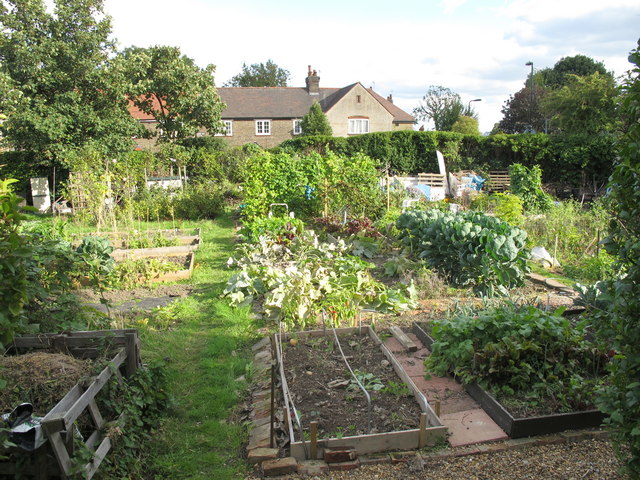
A raised bed can reduce bending, offer a clearly bounded planting area and make soil easier to manage. But an unsuitable height creates its own problems. A bed that is comfortable for a standing gardener may be difficult for somebody working while seated. A very wide bed requires reaching into the centre, while a tall structure filled with soil needs adequate construction and support. Consider the distance from a stable working position to the plants rather than treating height alone as the measure of accessibility.
Construction details also matter. Timber selection, fixings, drainage, stable edges and the weight of wet soil influence durability. Where a bed is intended for wheelchair access, appropriate knee space, approach routes and turning space may be needed. A conventional raised box placed on grass does not automatically provide those features. The design should be tested against the way the individual actually gardens.
Growing conditions cannot be ignored. Elevated soil may dry more quickly than surrounding ground, especially in summer. A gardener who cannot comfortably carry water needs a plan for irrigation that does not create a new obstacle. Before installing a complex watering system, assess whether a nearby tap, lighter equipment or a smaller planting area would be a simpler and more reliable solution.
Paths and surfaces can matter more than planting
A pathway is successful when it remains usable in the conditions in which the gardener needs it. Slippery algae, standing water, loose stones and abrupt level changes can make an attractive photograph misleading. Surface choice must consider traction, drainage, stability, cleaning and maintenance. An accessible path that ends at a narrow gate or steps is not a complete route.
Lighting can help some users navigate outdoor space during darker periods, but equipment must be suitable for external conditions and installed safely. Avoid glare and confusing contrasts. Seating should be positioned according to how a person uses the garden; shade may be welcome in summer while a sheltered sunny place may be more comfortable at other times. Handrails or other adaptations may be appropriate when specified by a competent person, rather than improvised as decorative features.
British weather makes maintenance important. Frost, fallen leaves, moss and waterlogging can change a path's condition after installation. A contractor should document how surfaces should be cleaned and inspected. The owner should understand that even a low-maintenance layout is not maintenance-free.
Planting for pleasure without demanding constant work
Low-maintenance planting involves reducing repetitive work, not removing every plant that needs care. Suitable long-lived shrubs, groundcover and carefully chosen perennials may reduce frequent replanting. Mulch can suppress some weeds and conserve moisture when used appropriately. However, all living plants need observation, and an overly vigorous species can create more labour than it saves. Site conditions and eventual mature size remain essential.
For someone who enjoys sensory experiences, fragrance, texture and seasonal changes may be more rewarding than a large uniform lawn. Where allergies, skin sensitivities or other health considerations are relevant, plant selection should be discussed carefully. Poisonous plants should not be treated casually in households with vulnerable residents, children or pets. Gardeners should also be able to identify plants confidently before handling them.
Edible plants can be particularly satisfying when they fit the person's interests. Herbs grown near the kitchen may be easier to maintain than vegetables at the far end of the plot. The RHS container-vegetable guidance describes practical small-space options. A contractor should explain crop turnover, watering and seasonal effort before promising that a new bed will provide a regular food supply.
Compare three ways of improving garden access
Not every garden needs rebuilding. The following table contrasts the effort and practical limitations of three common interventions. It is an editorial assessment, not a medical recommendation or a certification of compliance with accessibility standards.
| Decision | Raised growing beds | Improved paths and seating | Low-maintenance redesign |
|---|---|---|---|
| Main purpose | Make selected planting tasks easier to reach | Make movement and rest more practical | Reduce repetitive upkeep across the plot |
| Who benefits? | People who want to continue active cultivation | People who need reliable routes and comfortable stopping places | People who prefer fewer demanding maintenance tasks |
| Design check | Height, reach, stability and watering | Levels, surface, width, drainage and connection to entrances | Plant suitability, mature size and replacement needs |
| Common mistake | Assuming one height suits everybody | Improving a path without checking its whole route | Equating low maintenance with no care |
| First action | Test working position before construction | Walk the actual route with the user | Identify the tasks they most want to avoid |
Relevant background includes the RHS's raised-bed information and its broader guidance on maintaining gardens. The appropriate intervention may involve more than one column, and personal needs should always be established directly.
The overlooked issue is the maintenance handover
A new garden can look wonderful on completion and become difficult within six months if nobody knows who will care for it. Document watering arrangements, pruning expectations, replacement policies and what happens if the gardener's circumstances change. A simple illustrated schedule with contact information may be more valuable than a technical design pack the household cannot use.
A maintenance company should distinguish tasks a resident wants to continue from work they prefer to delegate. The aim is not to remove independence. Someone may want to pick their own herbs but have a contractor manage tall hedges or heavy seasonal clearance. Quotation and scheduling should reflect that division and avoid taking on specialist tree or structural work without appropriate competence.
For families assisting a relative, encourage direct involvement of the person whose garden it is. Their preferences should not disappear because somebody else is paying the invoice. Any proposed changes to access, planting and use of private space deserve respectful discussion. If a gardener needs time to consider options, that is an ordinary part of good service rather than an obstacle to selling.
How ageing Britain could create work for skilled gardening trades
Population ageing can increase demand for home adaptations and services that support independent living. It does not mean every older resident requires a raised bed or that garden contractors can replace professional assessment. The economic opportunity is to deliver specific improvements that people use and value over time: safe access, suitable planting, sensible storage and maintenance arrangements.
This work rewards practical competence and patient communication more than a fashionable product list. A small business that measures routes, asks users to test working positions and documents aftercare can develop a reputation for dependable adaptations. Training, liability cover and specialist collaboration may be necessary for complex projects. The next customer conversation should begin with one question: what part of your garden would you most like to keep enjoying, and what currently makes it difficult? The answer should shape the job.